Professional illustration about Assistance
Top Battery Jump Start Providers
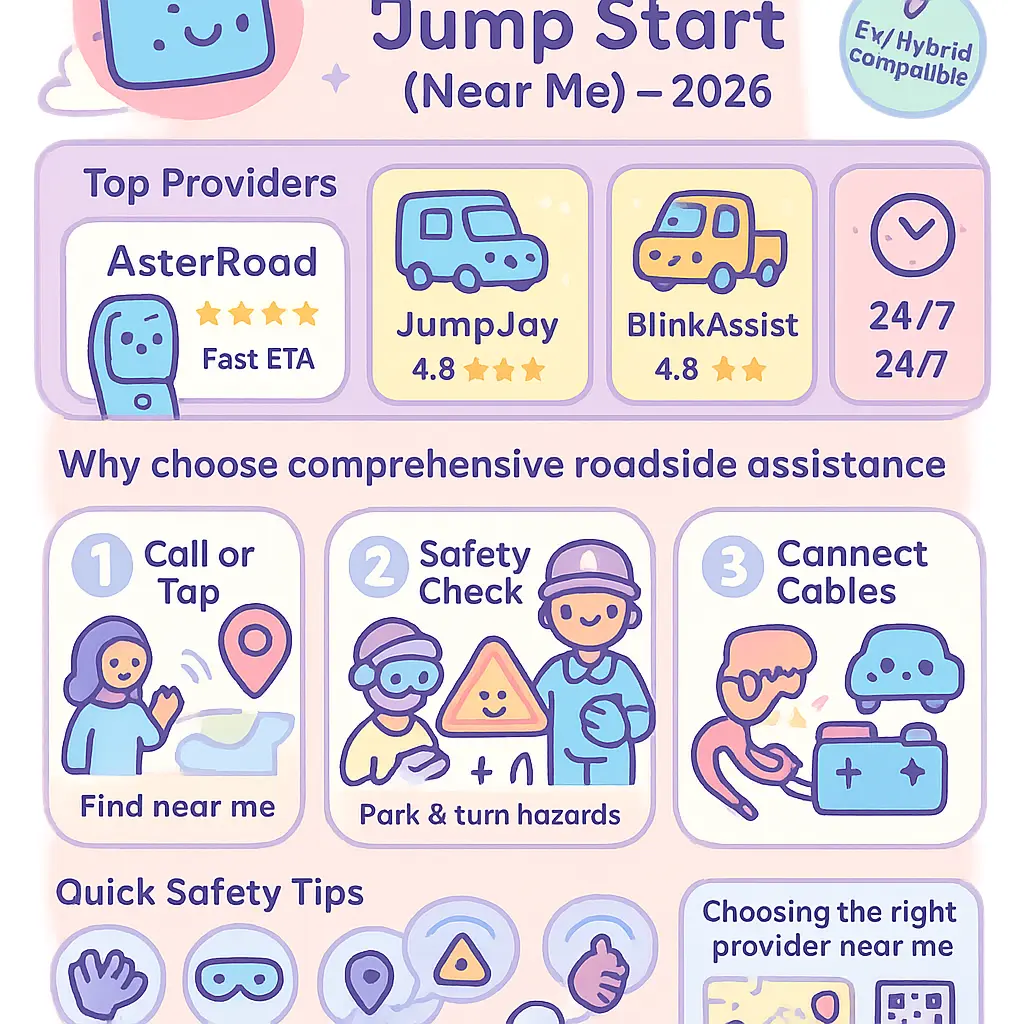
When it comes to finding the top battery jump start providers near you in 2026, it’s crucial to look beyond just a quick fix and consider a service provider offering comprehensive roadside assistance. Leading names in the industry have evolved with the latest automotive technology, offering not only traditional battery jump start and battery charging but also advanced battery testing and even on-site car battery replacement. For example, nationwide auto clubs and well-known roadside service providers now use digital platforms to dispatch certified technicians, ensuring that help arrives fast, no matter your location or the time of day. Many reputable providers are integrated with your auto insurance or car insurance policy, allowing for seamless claims processing and sometimes covering the cost of emergency services like battery assistance, towing, or lockout service under your towing and labor coverage.
With modern vehicles using more complex vehicle parts and electrical systems, the best emergency roadside service companies are equipped with the latest diagnostic tools. They don’t just jump your battery—they’ll conduct a quick battery health check to determine if you need a battery replacement or simply a charge. Some providers even offer battery recycling as part of their eco-friendly initiatives, which is a bonus for environmentally conscious drivers. For those who value convenience, top providers now allow policy activation, policy coverage verification, and appointment scheduling through mobile apps, making it easy to request roadside emergency help, track technician arrival in real time, and manage your auto policy management on the go.
Another important trend among top-tier roadside service providers in 2026 is the bundling of multiple services. It’s no longer just about a jump start—most plans include lockout assistance, fuel delivery service, change tire service, and even emergency towing for more severe vehicle breakdown scenarios. For drivers who encounter a vehicle disabled assistance situation late at night or in unfamiliar areas, 24/7 customer support is a must, and the leading providers guarantee a rapid response time, prioritizing safety and reliability.
When considering which provider is right for you, it’s smart to check whether the service is included in your existing insurance policy or if you need to purchase additional coverage. Many policyholders can obtain an insurance quote for adding roadside assistance to their policies, often at a lower cost compared to standalone services. Major insurers have also streamlined the claims process, so if your battery jumpstart leads to further repairs or a towing service, everything can be handled through your primary insurance provider.
In addition to national providers, don’t overlook reputable local auto shops and locksmith companies that specialize in battery jumpstart and quick lockout service. These smaller businesses often partner with larger insurance networks, ensuring your policy coverage extends to their services. Whether you drive a newer electric vehicle or a classic car, today’s best roadside service providers are prepared for a wide variety of vehicle types and battery systems, giving you peace of mind wherever the road may take you.
Ultimately, selecting a top battery jump start service in 2026 involves more than just searching for “battery jump start service near me.” Focus on providers offering comprehensive coverage, up-to-date diagnostic and repair options, seamless integration with your insurance, and a strong track record for responsive customer support. This way, you’re covered not just for a dead battery, but for any roadside emergency your journey might bring.
Professional illustration about Insurance
How Jump Start Services Work
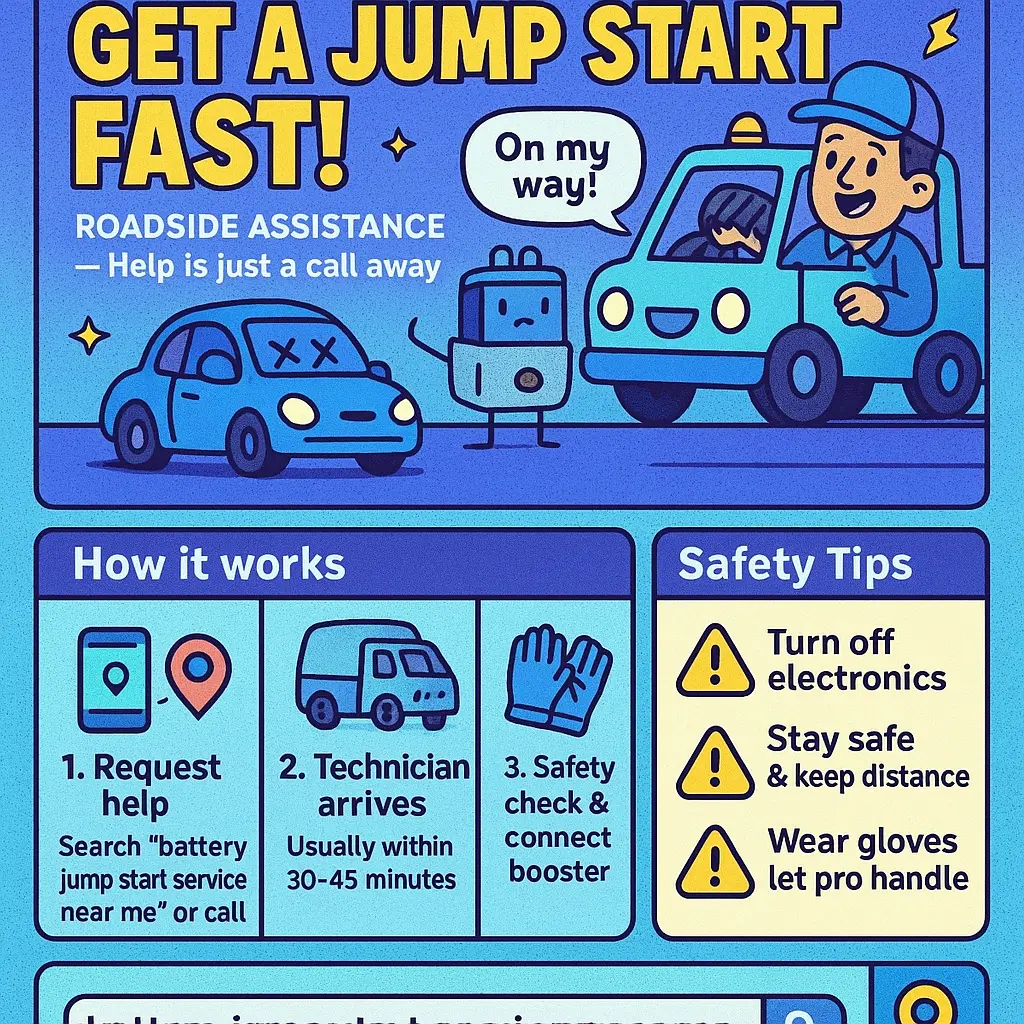
When you find yourself stranded with a dead car battery, knowing how jump start services work can make a world of difference. These services are a core part of modern Roadside Assistance, ensuring that even in the middle of an unexpected vehicle breakdown, help is just a call away. Here’s what actually happens when you contact a roadside service provider for a battery jump start, and what you can expect from the process in 2026.
First, upon contacting your Roadside Assistance provider—whether it’s through your Auto Insurance’s Emergency Roadside Service, a standalone membership, or a local provider found via a quick search for “battery jump start service near me”—you’ll typically speak to customer support. They’ll confirm your location, verify your policy coverage (if applicable), and dispatch a trained technician to your vehicle. Many auto insurance companies now offer app-based policy activation and real-time service tracking, making it easier and faster to get help.
Once the service provider arrives, the technician will assess your car battery using professional Battery Testing equipment. Modern battery diagnostics can quickly determine whether your car battery simply needs a jump start or if there’s a deeper issue, such as a failing alternator or a battery that requires replacement. If a jump start is all that’s needed, the technician will perform an on-the-spot Battery Charging by connecting a portable jump starter or heavy-duty cables to your battery and an external power source, such as their service vehicle. This safe and controlled jumpstart process can revive your battery within minutes, allowing you to start your vehicle and continue on your way.
Sometimes, battery issues are more severe. If the test reveals that your car battery is beyond recovery, many roadside service providers offer on-site Battery Replacement. In 2026, it’s common for providers to have a range of compatible vehicle parts and batteries on hand. They’ll swap out the dead battery, handle Battery Recycling responsibly, and install the new unit efficiently—saving you the hassle and delay of a tow to an auto shop.
Safety is paramount throughout the process. Technicians follow strict protocols to avoid damage to your vehicle’s sensitive electronics or to other vehicle parts, and to prevent accidents during the jump start. If your situation is more complex—for example, if the vehicle is disabled in a location that’s unsafe for a jump or if there are multiple underlying mechanical issues—the technician may call for a Towing Service, activating emergency towing as part of your towing and labor coverage.
Jump start services today are often bundled with other forms of roadside help, such as Lockout Service (should you accidentally lock your keys inside), fuel delivery service, tire changes, and even Locksmith assistance. This comprehensive approach means that, whether your issue is a dead battery or another roadside emergency, the same provider can address multiple problems in one visit.
It’s also important to consider how these services interact with your Car Insurance. Some auto policies include Emergency Roadside Service as a standard benefit, while others offer it as an add-on for a small fee. If your policy covers these services, you may not need to pay out of pocket for a jump start, as billing is handled directly between the service provider and your insurer through auto claims. Always check your policy details and coverage limits, as some plans only cover a set number of jump starts or have restrictions based on vehicle age or type.
For those managing their coverage digitally, many insurance companies in 2026 offer streamlined auto policy management and instant insurance quotes through mobile apps. This ensures you can update your coverage or request roadside assistance in just a few taps—ideal for busy policyholders.
In summary, a modern battery jumpstart is a coordinated, efficient process involving policy coverage verification, expert diagnostics, professional battery assistance, and, if necessary, battery replacement and recycling. By leveraging the latest in vehicle diagnostics, customer support, and real-time service dispatch, today’s roadside emergency response is faster, safer, and more convenient than ever—giving drivers peace of mind any time a car battery fails.
Professional illustration about Emergency
Average Cost in 2026
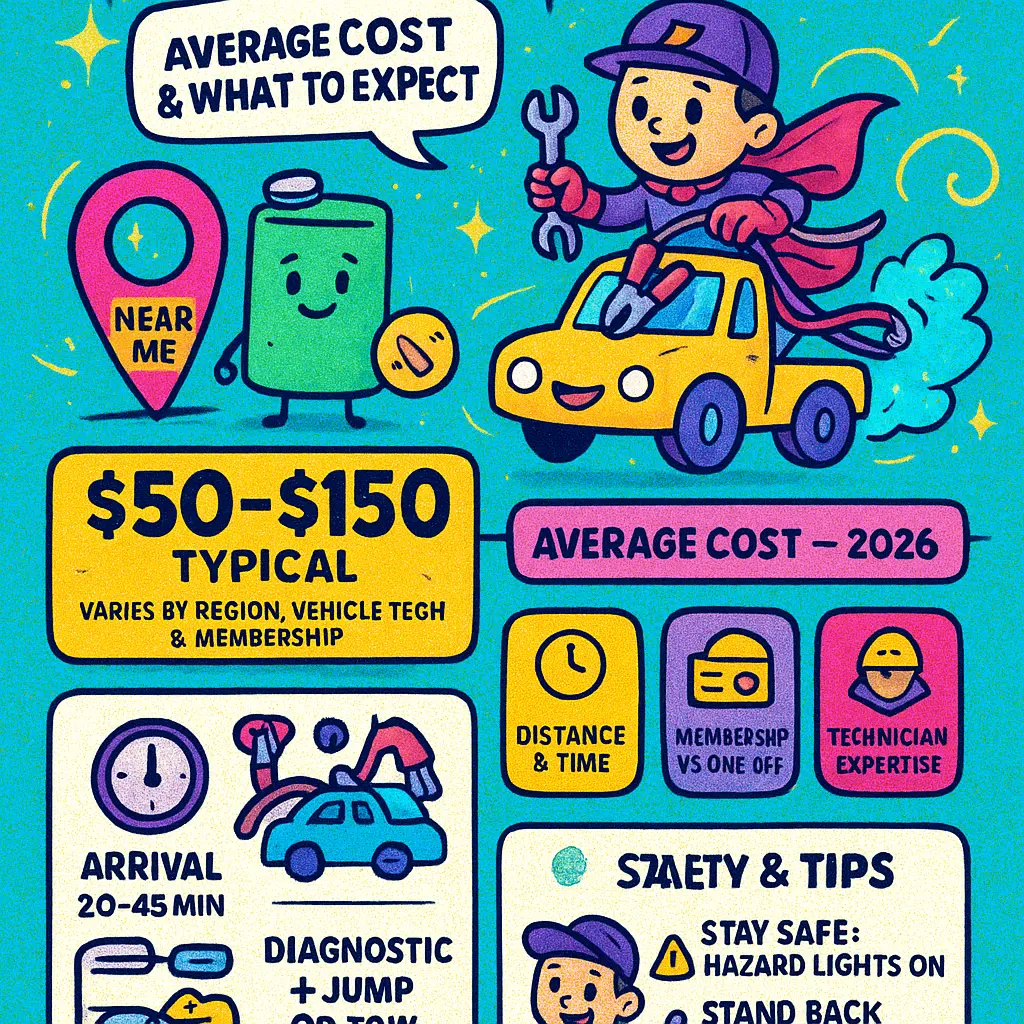
When it comes to getting a battery jump start service near you in 2026, knowing what to expect in terms of average cost is crucial—especially since prices have shifted quite a bit over recent years as vehicle technology and service models have evolved. On average, most roadside assistance providers charge between $65 and $125 for a standard battery jump start, but several factors can influence this rate. For example, if you’re relying on an independent roadside emergency technician versus an established service provider affiliated with your auto insurance policy, the prices may vary. Typically, policyholders with comprehensive Auto Insurance that includes Emergency Roadside Service or towing and labor coverage often pay less out of pocket, sometimes just a $0-$30 deductible, if their policy coverage verification is successful and the claim is approved. It’s a real lifesaver during a vehicle breakdown on a busy morning commute or a late-night road trip.
What impacts battery jump start costs in 2026?
A few key factors play into the final bill for a battery jump start:
Location: Urban areas where service providers compete for your business tend to have slightly lower rates, while remote or rural locations might have higher charges due to travel time. Time of Day: Requesting customer support for battery assistance after hours—such as late at night or on weekends—can come with an emergency surcharge, sometimes adding $20 to $40 to your final cost. Service Package: If your roadside assistance covers not just jump starts, but also battery testing, battery replacement, or additional services like lockout assistance, fuel delivery service, or even change tire service, you may get bundled rates or discounted services. Memberships and Subscriptions: AAA and other major roadside service providers often offer annual memberships ranging from $60 to $135 per year, which typically include several free jump starts and other extras like lockout service and emergency towing. Vehicle Type and Battery Technology: Newer vehicles using advanced battery systems (such as hybrids or EVs) might incur higher fees due to the specialized equipment required for battery charging or testing, sometimes reaching $150 or more. Standard gas-powered vehicles with a typical car battery usually hold steadier at the lower end of the cost spectrum.
Direct-to-policyholder vs. On-demand roadside service
Many drivers are turning to their car insurance companies for roadside assistance rather than searching for a standalone roadside service provider. If your auto policy includes towing and labor coverage or emergency roadside service, you may be able to initiate a claim for a battery jumpstart and other related services. In 2026, most major insurers—including those with efficient auto claims and policy activation systems—offer streamlined mobile apps for quick requests. These can reduce not only direct out-of-pocket costs but also minimize wait times, which is vital during a roadside emergency.
However, be sure to check your policy details; some plans only reimburse you after you submit a claim, requiring upfront payment to the provider. Others offer direct dispatch, sending a vetted technician—sometimes a locksmith if lockout issues are involved—straight to your location with no payment required at the time of service.
Tips to keep costs down
Compare insurance quotes before choosing or switching providers to ensure roadside coverage fits your needs. Call your insurance company’s customer support for policy coverage verification before authorizing any roadside service, especially for battery jumpstart or towing. Consider joining a membership-based roadside program if you routinely drive in areas where rapid assistance might be hard to find. Regularly maintain your car battery and other critical vehicle parts—proactive maintenance reduces the chances of needing expensive emergency services like battery recycling or replacement. Keep the contact info for reliable local providers handy so you’re not searching for solutions during a stressful vehicle breakdown.
For example, Sarah, a policyholder in Dallas, Texas, faced a vehicle disabled situation in 2026 when her battery died at a shopping center. Her auto insurance included emergency roadside service, and after a quick policy coverage verification via her insurer’s app, a roadside technician arrived within 35 minutes. The jumpstart service was covered in full, saving her an average of $90 compared to calling an independent service provider.
Essentially, the average cost in 2026 for battery jump starts depends on your insurance, location, vehicle type, and time of day. Staying informed and prepared can mean the difference between a minor inconvenience and a costly roadside emergency.
Professional illustration about Provider
24/7 Emergency Battery Help
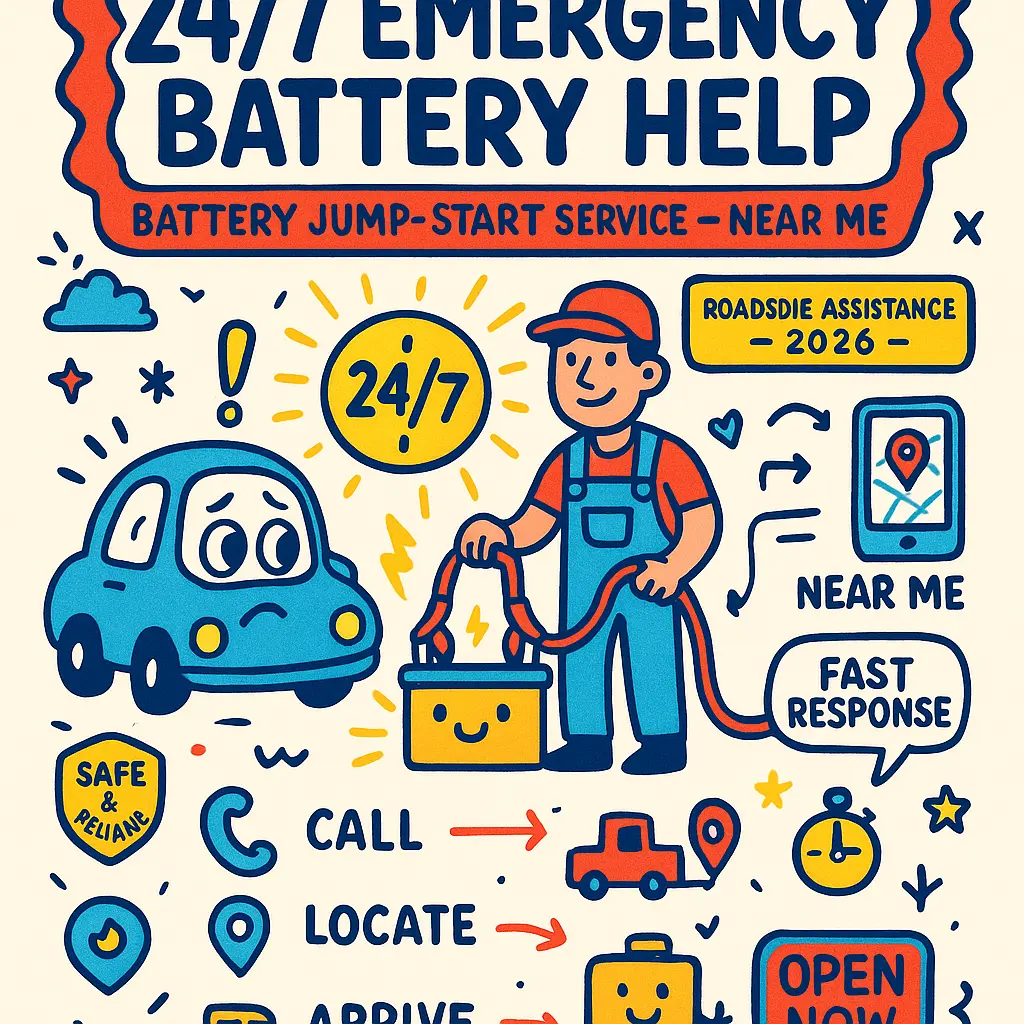
If your car battery dies in the middle of the night or on a weekend getaway, having access to 24/7 emergency battery help can make all the difference between being stranded and getting back on the road safely. Roadside Assistance providers in 2026 offer around-the-clock support for vehicle breakdown scenarios, meaning you're never left waiting for regular business hours. Whether you need a rapid battery jump start, urgent battery replacement, or an expert to conduct battery testing on-site, these services are designed to deliver immediate relief when your car battery fails, no matter the time or place.
Most modern auto insurance policies now include options for emergency roadside service, allowing policyholders to activate help directly from their mobile apps. With features like policy coverage verification, you can quickly check if towing and labor coverage applies to your situation. If covered, customer support reps help initiate a service provider dispatch for services such as battery assistance, lockout service, or even fuel delivery if needed. This streamlined integration means that vehicle disabled assistance is faster and more precise than ever, reducing the stress and uncertainty during a roadside emergency.
Here's how 24/7 battery help typically works in 2026:
- Immediate Dispatch: Once you contact your roadside service provider or use your insurer’s app for help, a technician is dispatched immediately. These professionals often arrive within 30–60 minutes, equipped with the latest tools for battery jumpstart and battery testing.
- On-Site Battery Services: Technicians assess whether your car battery can be revived with battery charging or if a complete battery replacement is needed. They carry state-of-the-art diagnostic equipment to evaluate the condition of your car battery and vehicle parts, ensuring targeted support.
- Battery Recycling & Eco-Friendly Disposal: If your battery needs replacing, reputable providers handle battery recycling, adhering to eco-friendly standards. In 2026, proper battery disposal is a priority, reducing environmental impact and ensuring regulatory compliance.
- Expanded Emergency Assistance: Besides battery help, most providers offer comprehensive roadside coverage—including lockout assistance via locksmith partners, emergency towing service, and change tire service. These teams are trained to handle multiple issues during a single callout, minimizing your wait time and hassle.
A vital tip for policyholders is to keep their auto claims and policy information up to date. With the evolution of auto policy management, activating emergency services through your app is seamless, but it requires your policy details to be current. Many insurers now offer insurance quote estimates and policy activation directly from their platforms, so keeping your contact info and coverage accurate ensures you can receive help instantly. If your policy lacks necessary coverage like towing or battery assistance, you can often add these features with minimal effort online or through customer support.
Real-life example: Imagine heading out for a weekend road trip when your car battery dies late at night in an unfamiliar area. You open your insurer’s mobile app, confirm your policy coverage, and request roadside emergency battery help. Within minutes, you receive confirmation of your technician’s ETA and name, plus real-time tracking. The technician arrives well equipped to test your battery, jumpstart your car, and replace the battery if needed, using recycled materials for eco-friendliness. The entire process, from claim activation to battery replacement, takes less than 90 minutes—no towing needed, no delays, and no extra stress.
In addition to convenience, 24/7 emergency battery help provides peace of mind for drivers of all backgrounds, whether you rely on your vehicle daily for work, manage a fleet, or simply need consistent support for family road trips. Reliable roadside service providers in 2026 understand the urgency of battery jumpstart requests and continually innovate to offer faster response times, tech-enabled tracking, and skilled teams ready for anything from lockout service to fuel delivery. By leveraging advanced roadside technology, comprehensive insurance coverage, and proactive customer support, today’s policyholders have access to an unmatched safety net, ensuring that anytime your car battery struggles, help is just a call—or an app tap—away.
Professional illustration about Towing
Mobile Battery Jump Start Near Me
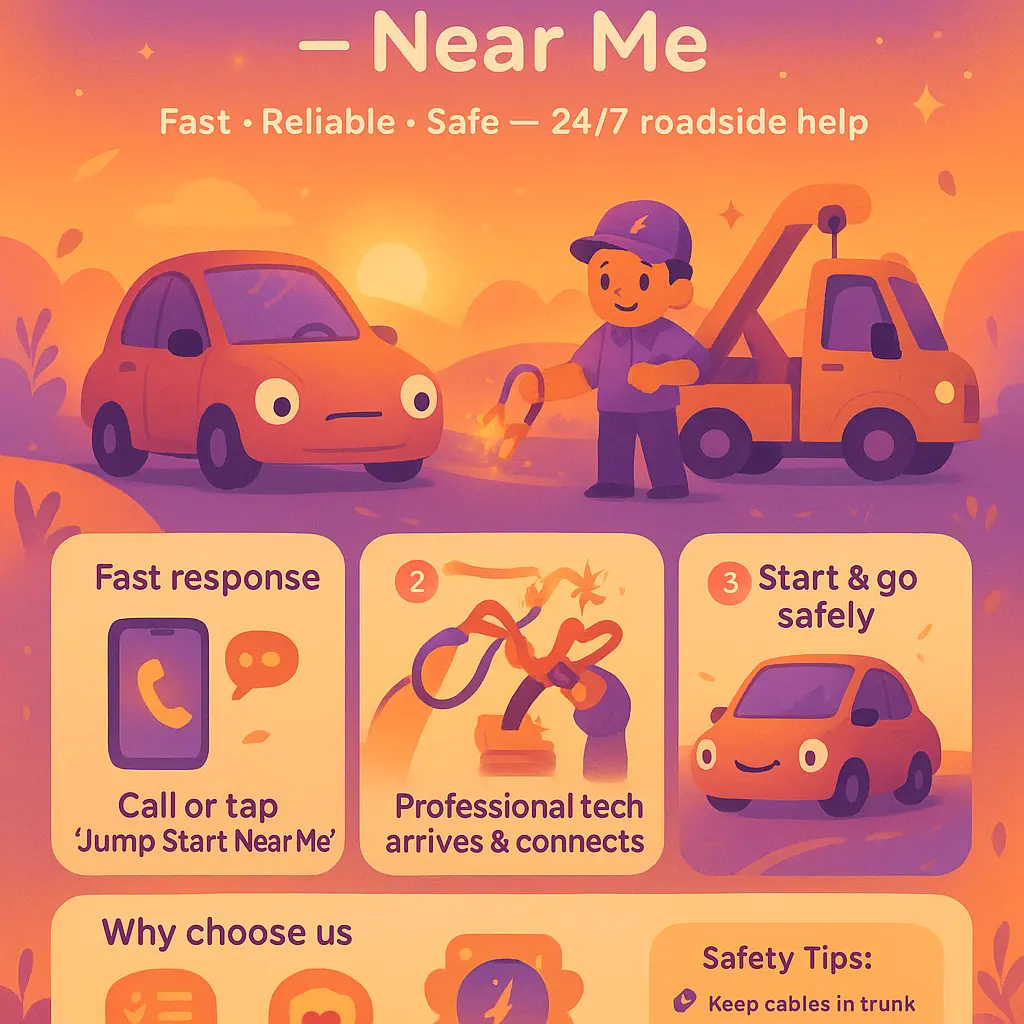
If you’ve ever faced a roadside emergency late at night or during a busy morning commute, then you know the true value of a mobile battery jump start near me service. In 2026, drivers expect fast, reliable, and safe solutions when their vehicle refuses to start due to a dead car battery. Modern roadside assistance and emergency roadside service providers have transformed the traditional experience—gone are the days when you needed to search endlessly for help or rely on a kind stranger. Today’s service providers offer real-time dispatch, GPS tracking, and advanced diagnostics, delivering battery jump start, battery charging, and even battery replacement solutions right at your location—whether you’re parked in your driveway, at work, or stranded miles from home.
One of the most important considerations in these situations is safety. Certified technicians not only bring professional-grade equipment to perform the jumpstart, but they also conduct on-the-spot battery testing to ensure your car battery hasn’t simply died from lack of charge, but is actually capable of holding a charge after jump-starting. If your battery is truly at the end of its life, many providers now offer immediate battery recycling and new battery installation right from their mobile vehicles, so you don’t have to worry about transporting a heavy, hazardous item or finding a specific recycling center. This holistic approach significantly reduces downtime and stress.
Auto insurance policies have evolved as well, recognizing the importance of mobility and convenience for their policyholders. Many car insurance providers offer towing and labor coverage as an optional add-on, which can cover the cost of battery assistance, towing, and additional services like lockout assistance or fuel delivery service. Before you need help, it’s wise to review your policy coverage and carry out a policy coverage verification—many insurers in 2026 offer easy auto claims submissions and live customer support through mobile apps. This means that the cost of a mobile battery jump start or related services may be reimbursable or even billed directly to your insurance, eliminating any financial surprises.
When searching for the best “mobile battery jump start near me,” consider the following practical tips:
- Check response times: The best roadside service providers offer average ETA updates and transparent communication, so you’re never left guessing.
- Verify certification: Choose technicians trained to handle modern vehicle electronics and equipped with appropriate replacement vehicle parts if necessary.
- Read recent reviews: 2026 platforms allow you to see verified customer feedback, which is an excellent way to gauge reliability and professionalism.
- Explore service bundles: Some providers offer battery jumpstart, lockout service with a qualified locksmith, or change tire service as part of an affordable package.
Convenience also extends to payment and policy integration. Many emergency towing and battery jump start providers partner with major auto insurance companies for instant policy activation and policy management. If you’re unsure whether you need a jump start, battery replacement, or a tow, a single call can connect you to a professional who can assess the situation and provide the right service, minimizing further vehicle breakdown or damage to vehicle parts.
Don’t overlook ongoing maintenance as a proactive measure. Along with knowing who to call in an emergency, regular battery checks and keeping your insurance quote up to date can help you avoid emergency situations altogether. Leading providers now offer subscriptions for routine battery testing alongside traditional roadside assistance, so you’re covered before issues arise.
In today’s fast-paced world, a mobile battery jump start near me is about more than just convenience—it’s an essential lifeline for any driver. By leveraging the latest technology, smart policy management, and comprehensive roadside assistance packages, you ensure peace of mind whenever and wherever the unexpected occurs.
Professional illustration about Replacement
Fast Response Times Explained
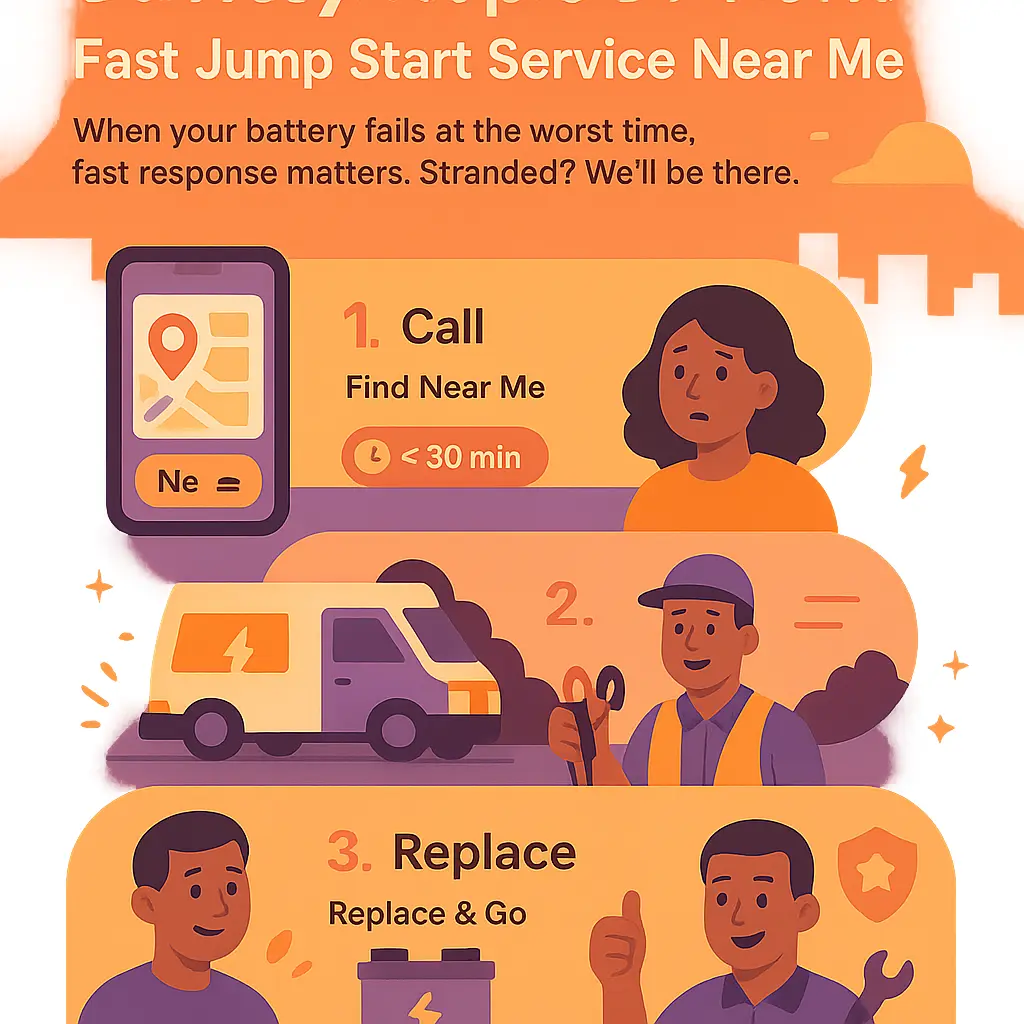
When your car battery fails at an inconvenient moment, fast response times are absolutely vital. Whether you’re stranded at work, on the freeway, or late at night outside your apartment, the last thing any driver wants is to wait hours for a Roadside Assistance team to show up. Nowadays in 2026, technology and streamlined processes allow service providers to offer genuinely rapid Battery Jump Start, Battery Replacement, or even emergency Towing when you need it most. But what exactly contributes to a quick response, and how can you ensure you receive it?
How Modern Roadside Service Providers Ensure Fast Response
Most reputable emergency roadside service providers use smart dispatch systems linked with GPS and vehicle location technology. When a policyholder calls for help—whether it’s for battery charging, battery recycling, or lockout service—the provider already has real-time access to both the incident location and a network of local technicians. This network effect means the provider can route the request to the closest available vehicle, minimizing delay.
- Example: If your Car Insurance includes roadside emergency coverage, activating your towing and labor coverage often triggers these advanced dispatch systems. The service provider quickly verifies your auto policy management before sending help. Whether it’s a simple battery assistance call or something more complex like vehicle disabled assistance, these steps now take seconds rather than minutes.
Factors That Impact Response Time
Several important factors influence response speed:
-
Provider Network Density
Service providers with a larger technician network across cities and neighborhoods can reach customers faster. In highly populated areas, typical response times can be under 30 minutes, while rural locations may see longer waits unless the provider’s coverage is robust. -
Policy Activation and Claims Verification
If you’re a policyholder using your Auto Insurance for Emergency Roadside Service, seamless policy coverage verification is key. Top carriers now integrate auto claims with mobile apps, letting you file claims and verify coverage instantly. Delays can occur if insurance quote details or policy coverage data need manual checks—so always ensure your policy is active and correct in your app beforehand. -
Service Request Type
Not all roadside emergencies require the same response. Battery jumpstart and battery testing calls are typically handled more quickly than lockout assistance or fuel delivery. Complex situations—like needing both a change tire service alongside emergency towing—may take additional coordination but newer process workflows speed things up considerably. -
Customer Support Efficiency
Providers invest in responsive customer support teams trained to diagnose your roadside emergency quickly. When you call for vehicle breakdown help, these specialists gather crucial info—not just your vehicle’s location, but details like car battery model, vehicle parts required, and preferred battery charging or recycling solution—so the dispatched technician arrives ready to solve your problem.
Actionable Tips to Ensure the Fastest Help
- Always keep your insurance policy details and roadside benefits card saved on your phone for quick access.
- Before traveling, verify policy activation and confirm your roadside coverage for battery assistance, lockout service, and towing.
- If available, use your provider’s mobile app to request help—real-time location sharing speeds up technician arrival.
- Communicate clearly your vehicle breakdown situation—whether it’s a car battery issue, lockout, or need for fuel delivery service.
What to Expect During a Battery Jump Start Emergency
Upon requesting a Battery Jump Start or battery replacement, your service provider will typically:
- Confirm personal and vehicle details for security.
- Dispatch the closest technician equipped with the right vehicle parts and battery testing tools.
- Provide live ETA updates via SMS or app notifications.
- Perform a quick assessment on arrival, followed by immediate battery charging or replacement if needed.
In some cases, technicians may offer additional services such as battery recycling for dead car batteries or routine maintenance checks if you request them. If the battery cannot be revived, emergency towing is arranged immediately to the nearest repair shop.
Real-World Example:
Imagine a driver in Los Angeles, stuck in traffic with a dead car battery. They open their auto insurance provider’s app and activate roadside assistance. Within 10 minutes, they receive a notification that a local battery jumpstart technician is en route. The dispatcher already confirmed their auto policy coverage, communicated battery model specs to the technician, and even pushed live updates about the technician’s location. Thirty minutes later, the car is running again—and the claims process for the service is started automatically through the provider’s system.
Fast response times are no longer a luxury; they’re a standard expectation thanks to 2026’s sophisticated systems and customer-centered Roadside Assistance innovations. When searching for a reliable "battery jump start service near me," choose providers with proven rapid response records, strong network coverage, and seamless integration with your car insurance and auto policy benefits. The difference in minutes can dramatically change your roadside experience from stressful to effortless.
Professional illustration about Charging
Choosing a Reliable Technician
When your vehicle suddenly refuses to start, trusting the right professional for battery jump start service near you can make all the difference—especially when reliability means the difference between a quick fix and a stranded afternoon. Choosing a trustworthy technician involves more than scanning online reviews or picking the nearest roadside service provider; it’s a process that demands attention to detail, knowledge of service protocols, and awareness of the complementary offerings that protect your time and investment.
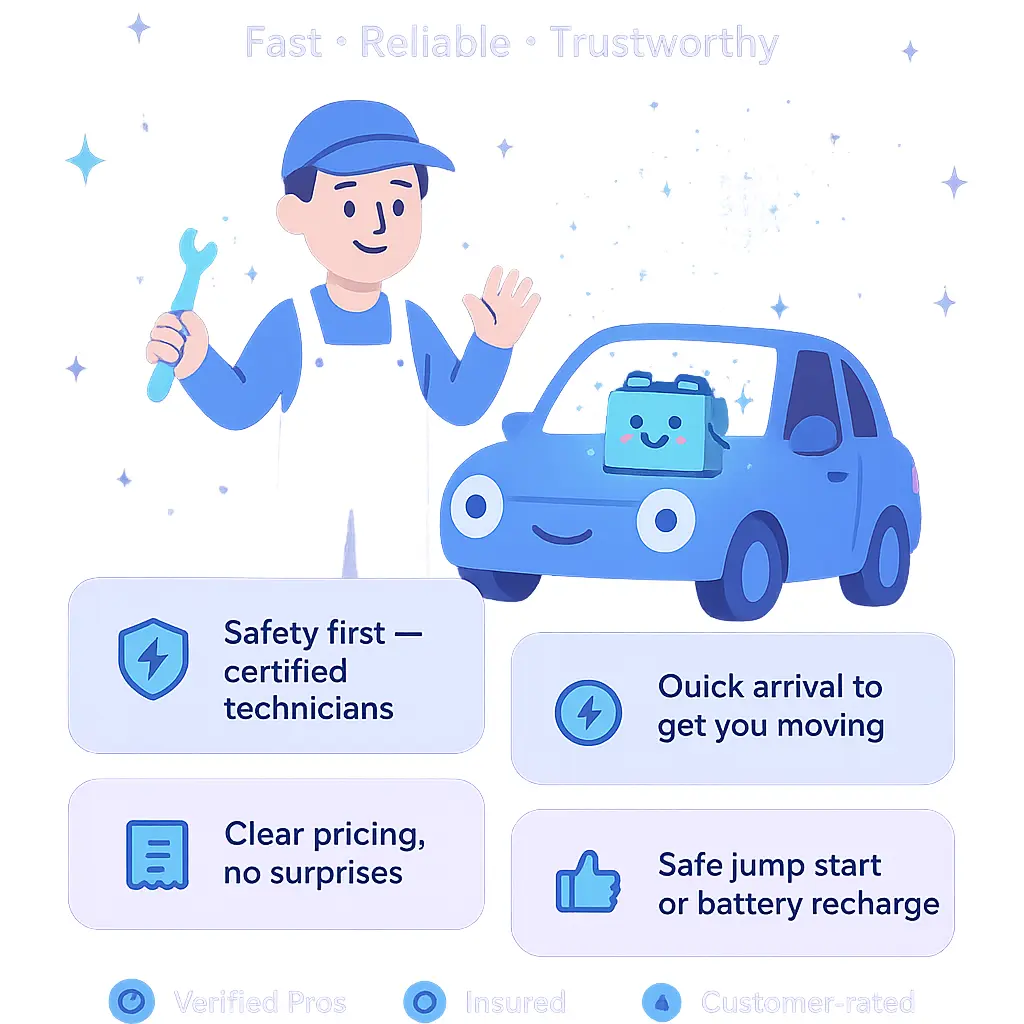
First, it’s essential to verify the credentials and experience of any technician or roadside assistance team. Service providers affiliated with reputable Emergency Roadside Service networks often have trained staff, properly certified for vehicle parts maintenance, battery replacement, battery charging, and battery jump start. Look for specialists who are comfortable handling modern car batteries, including AGM, EFB, and hybrid options. In 2026, vehicle technologies have evolved, and a reliable technician needs up-to-date training in battery testing and battery recycling to ensure your car battery gets the precise care required—potentially saving you from costly repairs down the road.
Equally important is confirming your technician’s insurance coverage and readiness to cooperate with your auto insurance. Many auto policies now include provisions for roadside emergencies, such as towing and labor coverage. Before accepting service, check whether the company can directly coordinate with your insurer for claims processing and policyholder support. Reviewing your car insurance documents or using your provider’s app for auto policy management and policy coverage verification ensures you avoid unexpected fees and can activate your coverage if needed. For example, a policyholder with full roadside coverage could get battery assistance or towing service included with no out-of-pocket costs—provided the technician's service aligns with the insurer’s requirements.
Responsive customer support from your service provider matters, too. If you’re facing a vehicle breakdown at night or in poor weather, assess if the technician offers 24/7 emergency roadside service and clear, rapid communication channels. Experienced providers will walk you through the steps, explaining safety procedures, likely wait times, and available solutions—whether you need battery jumpstart, fuel delivery service, lockout assistance from a locksmith, change tire service, or even battery recycling for an old unit. If you’re locked out of your vehicle, a multi-skilled roadside assistance team with lockout service can combine battery jump start and locksmith expertise to speed up the process.
Transparency during service delivery is another key indicator of reliability. When a technician arrives, reputable professionals will inspect your car battery and vehicle parts, perform battery testing to gauge health, and recommend whether you need a battery replacement or a simple charge. They’ll give you upfront pricing, avoiding hidden charges. For example, a quality roadside service provider should explain the differences between battery charging versus battery jump start options, and if a new battery is necessary, offer guidance on proper battery recycling in accordance with local laws.
Don’t overlook the benefit of brand recognition and customer reviews from fellow policyholders or users. In 2026, many individuals rely on social media community feedback or auto club recommendations to choose reliable technicians. Look for consistent praise related to punctuality, problem-solving (such as handling both emergency towing and battery assistance in one stop), and openness about insurance quote compatibility and auto claims management.
A practical tip is to always ask about guarantees and warranties for any maintenance or battery jump start offered. Established service providers frequently back their work with service guarantees, documented repairs, and coverage for follow-up issues if your vehicle is disabled soon after interventions. This level of protection is invaluable—not just for peace of mind, but also when reconciling auto insurance claims or negotiating policy updates.
In summary, selecting a technician for battery jump start service is about more than finding someone willing to fix your vehicle; it’s about choosing a professional who understands all facets of roadside emergencies, collaborates seamlessly with your auto insurer, and upholds high standards in every aspect of vehicle care. By focusing on credentials, insurance compatibility, customer support quality, transparent communication, and proven service records, you can ensure that your roadside emergency is solved swiftly and safely, keeping you and your vehicle moving forward with confidence.
Professional illustration about Battery
Customer Reviews and Ratings
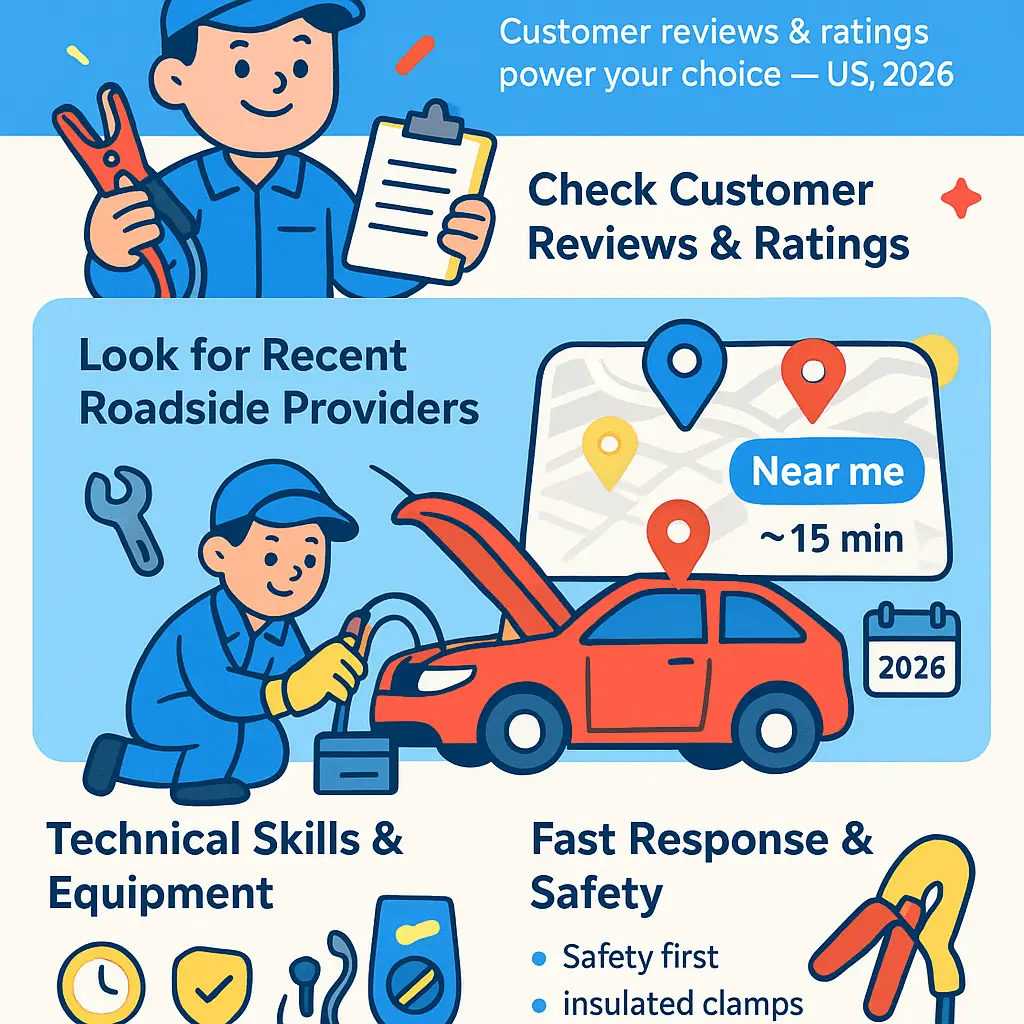
When searching for the right battery jump start service near you, customer reviews and ratings on recent Roadside Assistance providers have become an indispensable resource, especially across the United States in 2026. Not only do real-life experiences provide insight into technical skills—like Battery Replacement, Battery Charging, or reliable Towing—but they also reveal how responsive and thorough a Service Provider is during a roadside emergency. For most policyholders, the difference between waiting thirty minutes and three hours for help often comes down to picking a well-rated Emergency Roadside Service. Platforms aggregating verified ratings, such as insurance apps with built-in review features or reputable auto insurance company dashboards, let drivers assess actual response times, quality of customer support, and overall satisfaction with services like lockout assistance and fuel delivery.
There are several key factors to focus on within customer feedback. For example, vehicle owners regularly post about punctuality—how fast the technician arrived to jump start their Car Battery after placing a call through their auto claims app or via direct hotline. High ratings often go to providers who combine technical competence with efficient communication, such as calling before arrival or sending SMS status updates. In 2026, the top roadside service provider networks are crafting policy coverage verification tools where users rate their entire experience per event: from the battery testing on site to whether the service professional provided clear battery maintenance tips, or even offered recycling for an old battery on the spot, reducing environmental impact.
Another focal point in reviews relates to transparency about potential costs. Many customers praise Emergency Towing teams who explain up front what’s included with their roadside assistance coverage—whether it’s just the jump start or additional assistance like change tire service or replacement parts if the car fails subsequent diagnostics. Some policyholders note the importance of seamless auto policy management, saying that when claims are processed quickly and coverage is clearly explained, their review scores increase. Negative reviews tend to outline incidents where auto insurance agents created policy activation confusion, or when roadside service failed to verify coverage before dispatch, resulting in out-of-pocket charges. Shoppers should carefully compare these reports, especially when evaluating seasonal factors—extremely hot or cold climates in 2026 are especially hard on modern vehicle parts, making competent, well-reviewed services even more valuable.
Practical tips for interpreting real user feedback in 2026 include looking for patterns, not just isolated 5-star or 1-star ratings. Consistency matters: if numerous drivers mention polite conduct, advanced Battery Jump Start tools, or speedy Lockout Service, you can reasonably trust those claims. Detailed stories describing the process—from the first insurance quote to the arrival of a locksmith or battery specialist—are generally more reliable than short, vague testimonials. Furthermore, consider the frequency with which users mention service breadth: modern general roadside assistance in the US should encompass the essentials (jumpstarts, towing, lockouts, fuel delivery service, battery replacement, tire changes), with bonus points for handling battery recycling or offering advice on extending battery life or avoiding battery jumpstart emergencies in the future.
Reading customer reviews also matters if you prioritize environmental responsibility. In 2026, more people are citing whether their roadside assistance provider supports Battery Recycling and responsible disposal programs, and will rate them accordingly. Additionally, as more insurance carriers bundle towing and labor coverage into car insurance policies, savvy customers note if their provider expedites auto claims and supports real-time GPS tracking during roadside emergencies, making the process less stressful and safer.
When considering which battery assistance service to use, examine ratings on response time, transparency, technician professionalism, and whether additional services—like Vehicle Disabled Assistance or guidance on aftermarket vehicle parts—are praised. If customers mention successful policy coverage verification or seamless policyholder experiences, it’s likely that the provider integrates well with both old and new car insurance ecosystems. Remember, in today’s fast-paced world, reviews document not only repairs and immediate assistance, but also post-service touches, like technician follow-up or advice for future roadside emergencies—turning a stressful situation into an opportunity for positive long-term maintenance.
In summary, whether you’re managing auto policy renewal, comparing roadside service providers, or just hoping to never get stuck on the side of the road, studying customer reviews and current ratings should be a top consideration. Done well, it helps guarantee that your vehicle receives prompt, professional Battery Jump Start or Emergency Roadside Service—supported by trustworthy insurance claims and peace of mind every driver deserves in 2026.
Professional illustration about Recycling
Service Coverage Areas
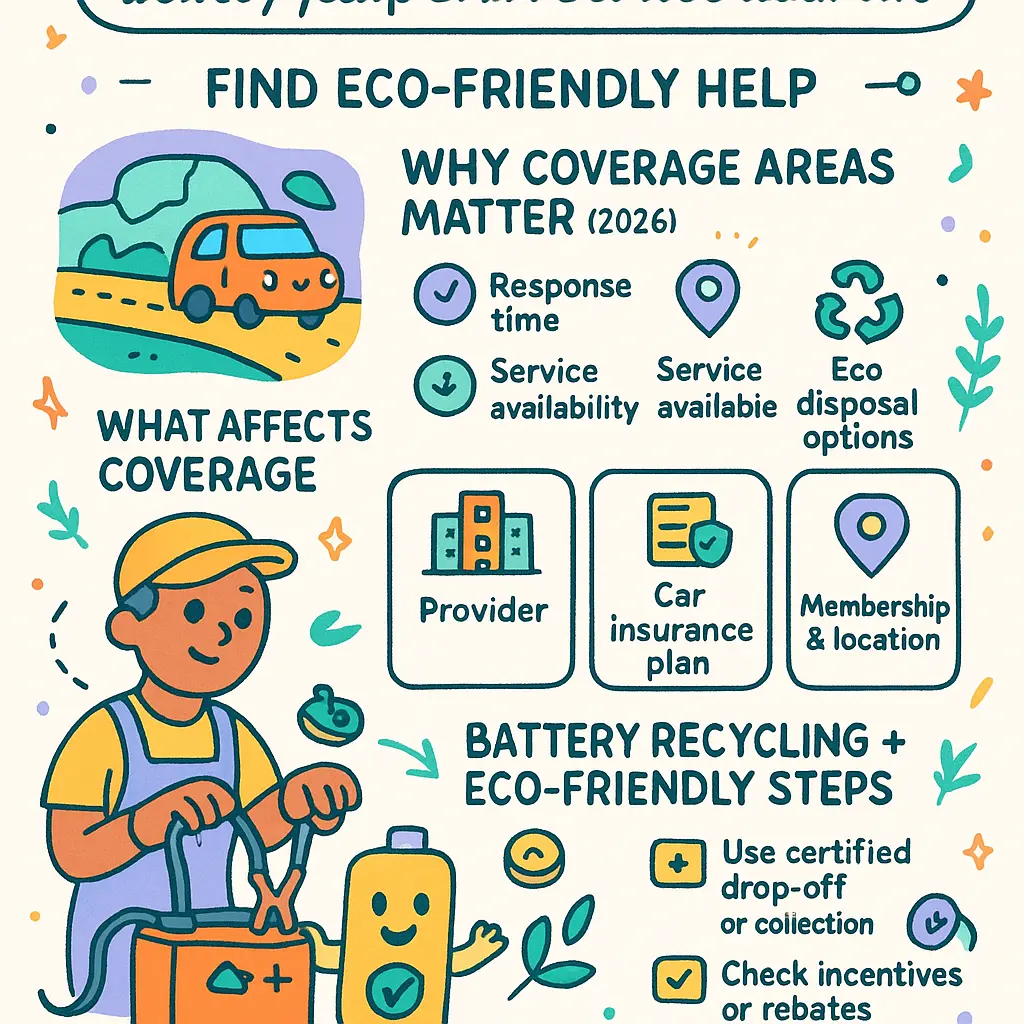
When searching for battery jump start service near me, understanding service coverage areas is critical to ensure fast, reliable Roadside Assistance—especially in 2026, when seamless support is more important than ever. Coverage varies widely depending on your Service Provider, car insurance plan, and even the city or rural region your vehicle is located. Major insurance companies offering Auto Insurance often extend Emergency Roadside Service—including Battery Jump Start, Battery Charging, Battery Replacement, and Towing—across metropolitan zones and frequently traveled highways, but may not reach remote suburbs or mountainous regions as quickly. It's vital for Policyholders to verify their policy coverage with their Car Insurance provider, ideally during initial policy activation, or before planning road trips outside urban areas.
Typical service regions for battery assistance, lockout assistance, change tire service, and fuel delivery cover most populated locales within a 10-30 mile radius of key city centers. For example, if your vehicle breaks down in Los Angeles, Dallas, or Miami, most roadside service providers can arrive on site in under 45 minutes during peak hours. However, coverage for vehicle breakdowns in less-trafficked rural zones, coastal stretches, or national parks may require partnership with local affiliates or mobile locksmiths, impacting response times for services like lockout service and emergency towing.
To maximize support, many Policyholders opt for Car Insurance policies that include expanded towing and labor coverage—sometimes even offering nationwide support through their network of approved roadside service providers. Before purchasing a policy or insurance quote, inquire about the specific zip codes, counties, or interstate routes included. Some providers detail service maps, outline fuel delivery service reach, and specify the towns where towing, battery jumpstart, and vehicle disabled assistance are reliably available.
Customers with luxury, electric, or hybrid vehicles should be aware that certain coverage areas prioritize rapid battery testing and recycling, offering premium Battery Jump Start and maintenance support for modern vehicle parts. For older vehicles or unique models, check that the roadside provider is equipped for specialty Battery Replacement without voiding warranties.
It's also helpful to compare case studies or customer support feedback. For instance, policyholders in densely populated areas like Chicago’s Loop or Manhattan often get multi-service access (from Battery Charging to Locksmith services) within minutes thanks to robust coverage networks, while those in sparsely populated counties receive scheduled service windows. Knowing these regional differences prevents unexpected delays when you face a roadside emergency.
If you frequently commute or travel between states, select auto policies and Service Providers known for transparent policy management, smooth auto claims processing, and high success rates, even when miles away from urban hubs. Coverage verification during sign-up or renewal goes a long way, especially for families needing peace of mind on cross-country journeys or during harsh winter periods when quick battery jumpstart and vehicle breakdown response is essential.
In summary, effective service coverage areas determine the efficiency of Roadside Assistance for Battery Jump Start and related vehicle services. Always review your policy details, ask about geographic exclusions, and choose fast-responding providers with proven expertise in diverse locations—whether you’re in bustling cities, outer suburbs, or scenic byways.
Professional illustration about Battery
Safety Tips for Jump Starting
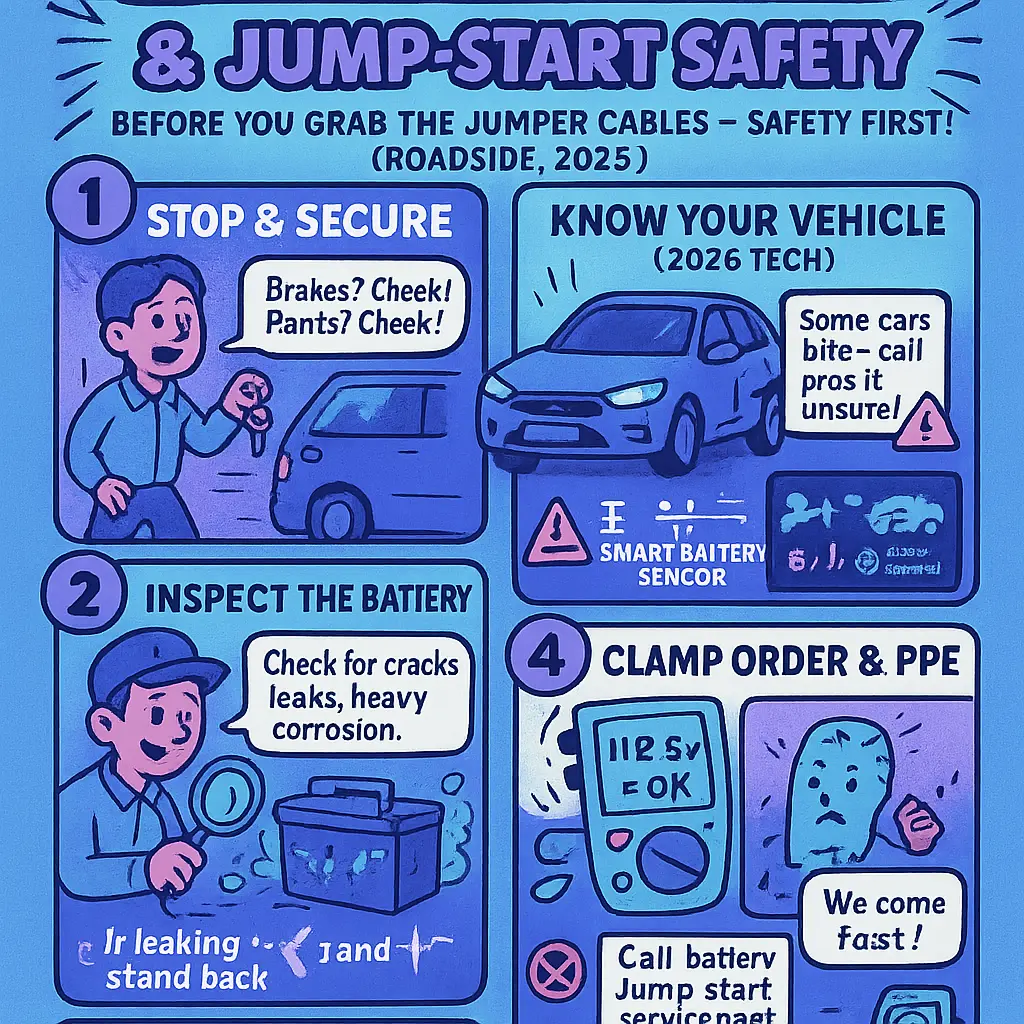
When you’re dealing with a dead car battery and considering a battery jump start, safety should always be your top priority, especially during a roadside emergency in 2026 where modern vehicle technology brings both opportunities and risks. Before you grab the jumper cables, take a moment to review these essential safety tips that both auto insurance providers and emergency roadside service teams strongly recommend. First, always ensure your vehicle is in a safe location—well away from traffic—before attempting any battery assistance. Activate your hazard lights and consider calling your roadside assistance provider; not only can they offer professional battery jumpstart service but also dispatch a towing service or even a lockout service if needed. Sometimes, your auto insurance policy, especially those with towing and labor coverage, includes quick access to customer support and can directly connect you with certified locksmiths and emergency towing if the situation escalates.
Proper preparation is crucial for anyone attempting a battery jump start on their own. Before connecting the cables, inspect both car battery terminals for corrosion, damage, or leaks. Many modern vehicles include preventative features, but visible leaks or excessive corrosion indicate needing a battery replacement by a service provider—never attempt a jump start on a severely compromised battery. If the battery is merely discharged from an incident like leaving the lights on, and shows no external damage, proceed by securing both vehicles in park with engines off and keys removed. Ensure both vehicles are compatible; some newer vehicle parts in cars manufactured post-2026 require low-voltage connections and are highly sensitive to surges—always check your owner's manual for battery charging and jumpstart recommendations specific to your model.
When you're ready to begin the jump start process, don protective gloves and safety glasses for added protection against accidental sparks. Use high-quality jumper cables; frayed or damaged cables increase the risk for an unsafe connection or vehicle breakdown. Many roadside emergency experts recommend attaching alligator clamps in the following order: positive to positive terminals, then negative clamp to a grounded, unpainted metal surface away from the battery—never attach the negative directly to the discharged battery’s terminal, as this helps prevent injury from dangerous fumes or unexpected heat generation. Do not allow the clamps to touch each other during hookup or removal—this could cause serious short-circuit damage to sensitive vehicle parts or third-degree burns.
After connecting, run the booster vehicle at idle for several minutes, allowing gradual battery charging to occur. Try starting the disabled vehicle—if it fails after several attempts, stop and disconnect the cables, and reach out to your Emergency Roadside Service or insurance quote provider for next steps. Never over-crank the engine, as repeated unsuccessful starts can harm the starter and related electronic vehicle parts. Once the engine starts, remove the cables in reverse order and double-check all connections before closing the hoods.
For policyholders considering auto claims or contemplating their auto policy management, remember that documenting the breakdown and repair steps is wise—many insurers in 2026 offer digital policy activation and policy coverage verification, including photographs for future claims to prove due diligence and proper maintenance. Regardless of outcome, it’s always good practice to request battery testing and professional inspection shortly after jump starting; gradual power loss can signal deeper mechanical or electronic issues. Finally, responsibly dispose of compromised batteries through certified battery recycling programs—this is increasingly required by vehicle maintenance guidelines and is covered by many roadside service providers. Integrating these safety best practices into each battery assistance event minimizes further complications and ensures smoother rides, especially when unpredictable roadside emergencies arise.
Professional illustration about Battery
Battery Types Supported
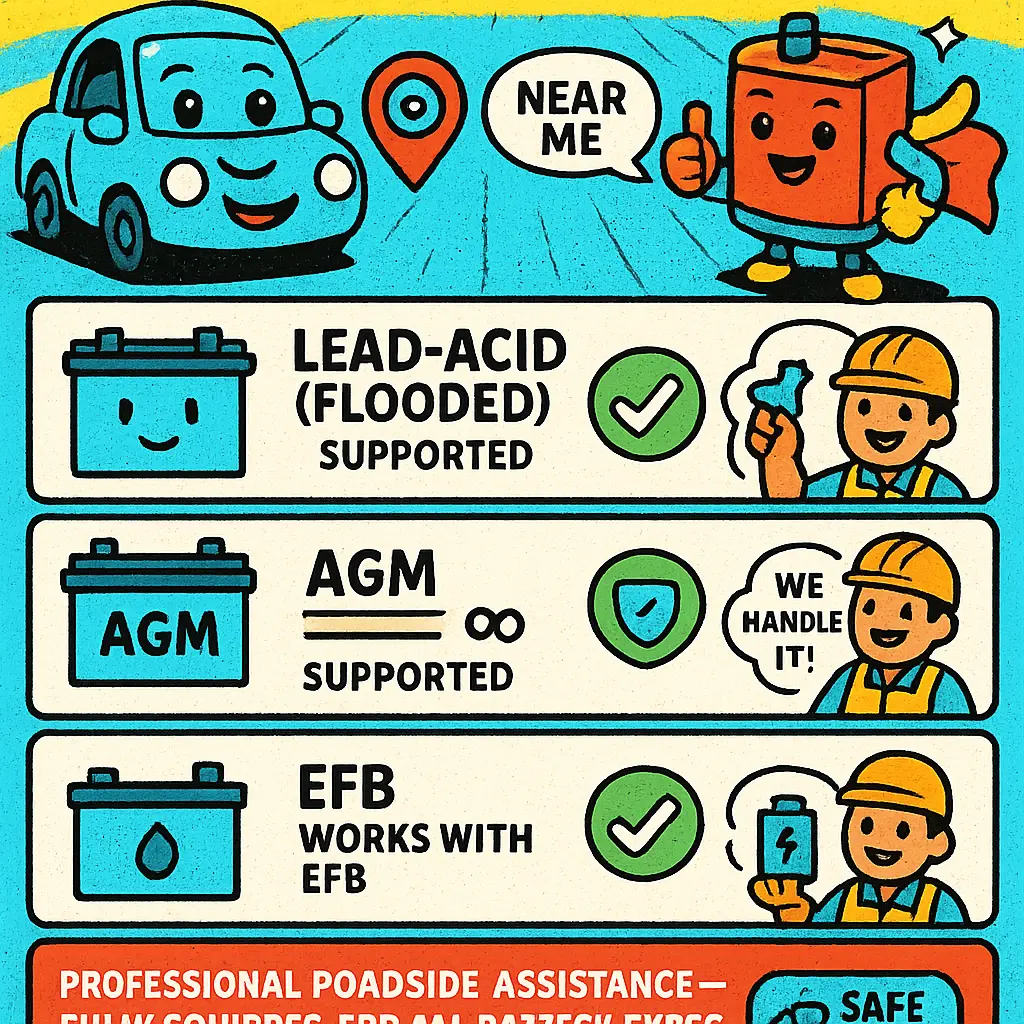
When it comes to battery jump start services, understanding which battery types are supported can save policyholders both time and unnecessary stress. Modern vehicles rely on a range of battery technologies, and professional roadside assistance providers are fully equipped to handle everything from standard lead-acid car batteries to more advanced systems found in hybrid and electric vehicles (EVs). Here’s how current roadside service providers approach battery jump starts and related emergency services in 2026.
Today’s vehicles commonly use lead-acid batteries (both flooded and AGM), gel cell batteries, and increasingly, high-efficiency lithium-ion units in EVs and hybrids. Traditional internal combustion engine vehicles almost always utilize lead-acid batteries, which respond well to conventional jump start techniques done by professionals as part of an emergency roadside service. For these batteries, your auto insurance may include towing and labor coverage that stretches to jump starts and battery replacement, depending on your specific policy and its activation status. Advanced maintenance features like battery health monitoring and battery testing can sometimes be claimed through auto claims, and comprehensive car insurance often has flexible coverage toward battery-related breakdowns, reflecting policyholders’ evolving needs in 2026.
Service providers recognize that not all batteries are created equal and train their technicians accordingly. Roadside service providers will ask about your make, model, and battery type to ensure safe and proper procedures. For conventional 12-volt systems in gasoline or diesel vehicles, the jump start process is quick and carries minimal risk, provided there has been a preservice battery testing to avoid potential damage to sensitive electronics. Because many modern vehicles now include complex electrical systems, technicians performing a jump start today check not just battery voltage but also alternator function. If supplying power from an external source alone won’t solve the problem, battery charging techniques or even onsite battery replacement could be options. This minimizes the inconvenience of a vehicle breakdown, even if you’re far from home.
For hybrid cars—growing in popularity across North American roads in 2026—a jump start might involve a separate small 12-volt battery responsible for regulation electronics or operate high-voltage packs more suited to specialized charging methods. Knowledgeable technicians from a reputable roadside assistance or towing service are essential for these cases, as mishandling high-voltage systems poses clear hazards. Many current-day insurance quotes highlight this included breakthrough coverage, which reassures customers against complicated or risky self-help scenarios. Your insurer’s policy coverage verification processes will confirm if emergency towing, battery jumpstart, or even on-demand battery replacement are rolled into your policy when a vehicle is disabled, eliminating confusion during urgent moments.
Additionally, with electric vehicles more widespread in 2026, providers are more likely to offer specialized support that addresses both traditional and EV high-capacity battery units. For example, while you can’t directly jump start an EV in the classic sense, networked service technicians provide vehicle disabled assistance through immediate flatbed towing to a charging location or leveraging portable battery packs for enough range to reach dedicated service centers. EV owners benefit when auto insurers fold this adaptive support into their claims and auto policy management workflows, providing quick customer support without hidden fees following a roadside emergency.
Beyond jumpstarting or outright replacement, ecological responsibility has come into sharper focus the past two years. Providers not only offer battery recycling solutions, ensuring that old or defective batteries are disposed of safely and sustainably but may help coordinate pick-up right from the roadside. This added step reflects insurance and roadside assistance providers’ commitment to the wellbeing of drivers and the environment, building policyholder trust and meeting evolving 2026 regulatory benchmarks.
When selecting your roadside assistance or confirming the specifics within your auto insurance, inquire about: - Battery types supported (lead-acid, AGM, gel, lithium-ion, EV and hybrid systems) - Onsite battery charging and comprehensive battery testing capabilities - Direct battery replacement or coordinated service center support - Steps followed for battery recycling - Extended services related to lockouts, fuel delivery service, and tire changes that often accompany battery hiccups
Ultimately, today’s best service provider designs coverage that scales to your vehicle’s specific parts and battery needs. This level of detail ensures you’ll receive expert help whether your policy was activated the same day or forms part of a package you’ve relied on for years. As vehicles advance, so too does the breadth of roadside emergency services, making now the ideal time for vehicle owners to review their policy, coverage backing, and the battery types their provider supports.
Professional illustration about Insurance
Warranty and Guarantees
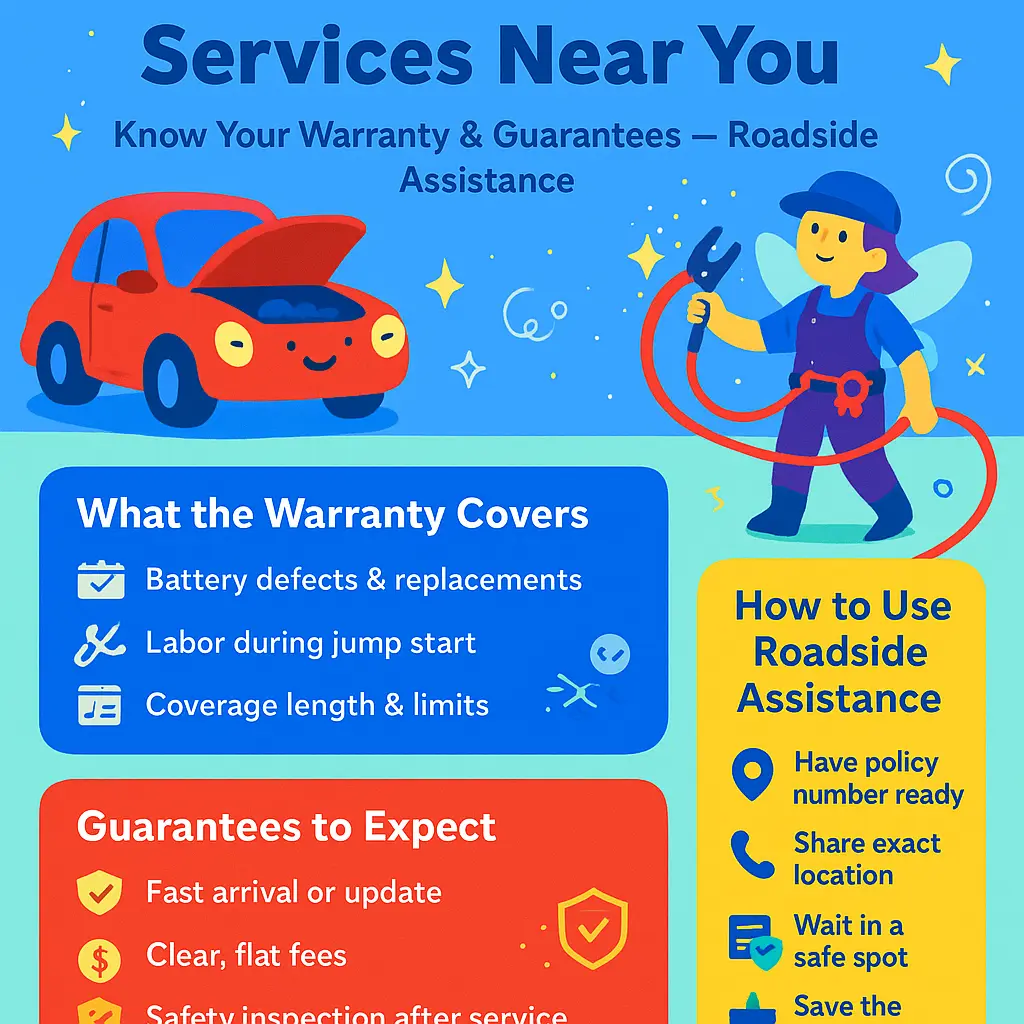
When it comes to battery jump start services near you, understanding warranty and guarantees can make or break your roadside recovery experience—not just for immediate peace of mind, but for your overall trust in both your service provider and your auto insurance policy. Roadside Assistance today isn’t just about a jumpstart; it’s about knowing your claims will be honored, costs are covered with approved policy, and any warranties pledged by either your insurer or the service company are clear. In 2026, top-tier service providers prioritize transparency with maintenance guarantees and warranty protocols tailored to protect the policyholder during a vehicle breakdown or emergencies like battery failure.
Major car insurers and premium vehicle membership plans now often offer battery replacement, battery charging, and battery jump start support with upfront service warranties—meaning before a technician even hooks up jumper cables, you and your car enjoy timely coverage assurances. Policies may include:
- Coverage for repeat battery jump starts if the answer was more complex than a drained charge
- Battery testing upon service, frequently accompanied by a limited guarantee on assessment accuracy
- Clear disclosures on parts warranties, especially for installations where vehicle parts like batteries are swapped out on-site
Car Insurance providers increasingly structure their emergency roadside coverage and towing and labor coverage so that warranties aren’t a hassle when you face a roadside emergency. For example, a major insurer’s policyholder activating a claim in their app may be asked to choose a certified roadside service provider, whose warranty on labor (e.g., battery jumpstart) and vehicle parts (new battery) is shown before dispatch. If a replacement occurs, some partners guarantee the new battery itself for a set period—often 12 to 36 months—so if it fails due to manufacturing defects, the provider quickly processes warranty claims, sometimes paying out or guaranteeing further roadside assistance.
Savvy policyholders in 2026 also scrutinize guarantees tied to lockout service, fuel delivery, or emergency towing. Just as with a jumpstart, best-in-class customer support departments clarify if repeated emergency services are part of a broader warranty or time-limited assistance. Not all policies treat fuel delivery services, towing, or change tire service equally, so reading your contract specifics matters.
Below are some features modern policies, premium membership plans, and even standalone roadside assistance services now provide for battery aid guarantees:
Battery Assistance Warranty Features Provided in 2026:
- Comprehensive coverage for multiple jump starts within twelve months
- Pro-rated warranties on new battery parts installed roadside, often synced with dealership standards
- Service guarantees: Any faulty service (such as an unsuccessful battery charge or a missed problem on battery testing) means the provider returns free of charge within 7-30 days, depending on the terms
- Battery Recycling guarantees: Environmentally-friendly roadside networks agree to handle and document responsible battery disposal, aligning with consumer eligibility rules for eco-credits or policy rebates
- Direct claim settlement: If policy coverage verification is instant, your auto claims for service failures—such as battery misdiagnosis or defective install—are managed within one business day
Take, for instance, a common scenario in 2026: a vehicle disabled by battery erosion requiring a jumpstart approaching the end of the battery’s expected life. If your auto policy includes coverage for one no-cost battery assistance or replacement per year, the service provider documents the cause, effect, and recycles the battery if necessary. They upload the rescue file into the insurance software app, provably verifying the policy activation, which triggers both labor and parts warranties and an open support case—streamlining future roadside needs without another phone call.
Advice for buyers: Always ask your service provider exactly what their guarantees cover when you request roadside emergency help. If their roadside emergency lockout assistance includes locksmith labor but not vehicle part warranties, consider an insurer with expanded coverage. It matters if your towing and labor coverage permits several successive jumpstarts or parts replacements within a subscription period, especially for fleets and business vehicles.
For policyholders aiming to optimize value, auto insurance quote platforms in 2026 increasingly let you filter options by included jumpstart labor warranties, part durability guarantees, towing assurance periods, fuel delivery service provisions, and lockout service coverage—putting the power in your hands before an accident, not after. Adopting a proactive stance and reviewing the specifics can help minimize stress during any roadside blackout.
In summary, the mark of a quality roadside program or viral service provider lies not just in rapid battery jump starts, but in solid guarantees and easy warranty resolution—through advanced policy management tools, clear claim follow-through, and direct coverage verification. Always seek out providers and plans that treat every vehicle breakdown, whether it’s a tire blowout or dead battery, as an opportunity to deliver guided service backed by tangible warranties—a must for confident driving in 2026.
Professional illustration about Claims
Eco-Friendly Jump Start Options
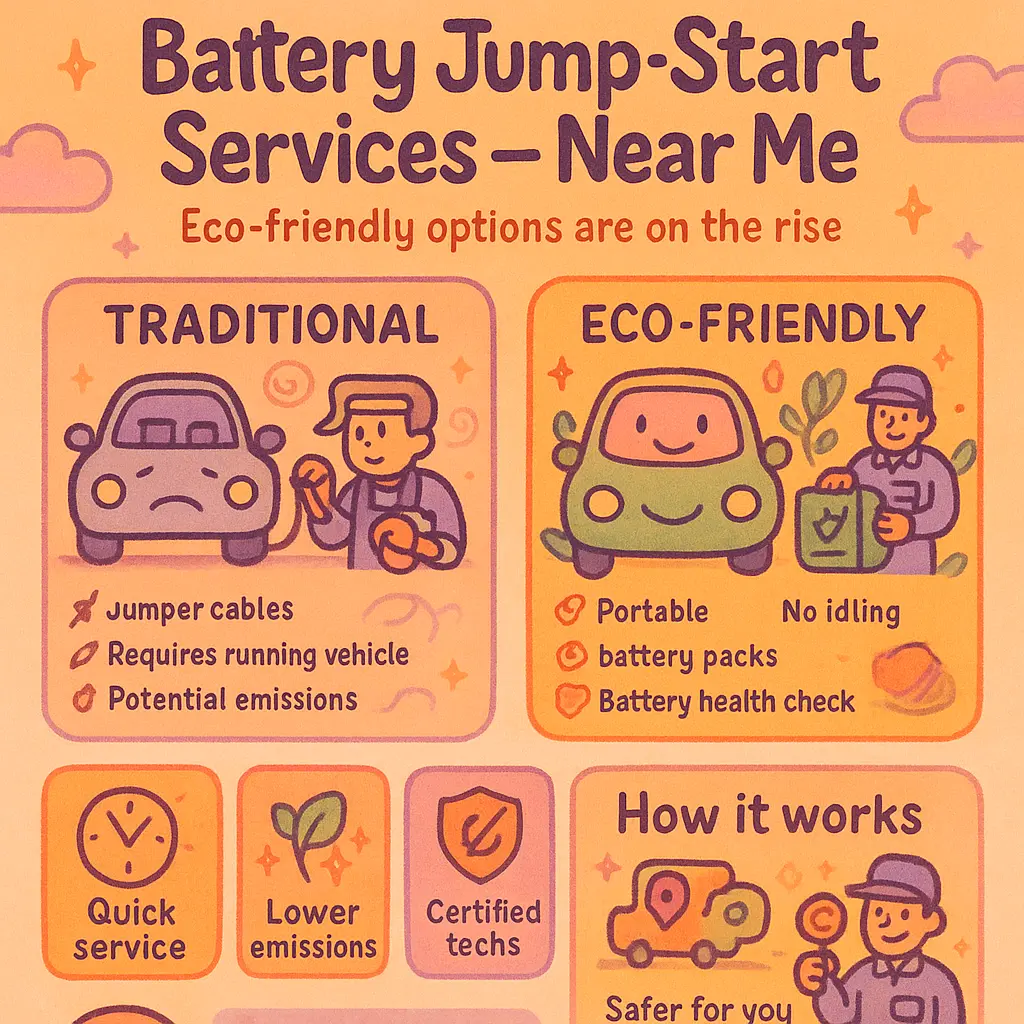
As drivers become more eco-conscious in 2026, innovative eco-friendly jump start options are gaining traction, transforming the landscape of roadside emergency services. Traditional jump starts typically rely on direct battery swaps or jumper cables connected to running vehicles, potentially increasing fuel usage and emissions during support operations. However, many service providers are now leveraging modern, greener solutions that integrate with existing battery assistance and emergency roadside service business models. For example, fleets offering roadside assistance increasingly equip their staff with portable, rechargeable jump starters that use lithium-ion or solid-state batteries. These units supply sufficient clean power for a rapid battery jump start without having to idle a tow truck or another engine. Such technology not only reduces the carbon footprint but also diminishes reliance on fuel delivery—that conservative safety fallback now being prioritized as a preventive step, not a default.
Beyond immediate vehicle breakdown and response scenarios, progressive battery recycling initiatives within the market help maximize the utility lifespan of electric components. Today’s battery replacement experts partner closely with responsible recycling networks: the tech-savvy, insured roadside service provider ensures your old car battery transitions seamlessly out of active duty. Proper disposal and upcycling innocuously safeguard groundwater and divert potentially toxic materials from landfills—a big win for owners seeking comprehensive, eco-friendly care for their vehicle and for insurance carriers assessing risk calculation during claims.
Equally important is the integration of advanced battery testing procedures prior to resorting to a jump start. Many insurance policies or towing and labor coverage endorsements—barticularly in 2026—allow policyholders to verify underlying issues before depleting more resources. Onsite technicians with responsible organizations perform detailed battery and charging system diagnostics using smart handheld tools, often connected via mobile app interfaces. This diagnostic-first approach provides valuable vehicle maintenance history direct to your auto insurance dashboard, supporting future repair decisions and ultimately leading to fewer emergency events requiring towing or resource-intensive interventions. For context, some auto insurance providers have rolled out app-driven systems for policy activation and auto policy management that boost sustainability by ensuring premium resources are devoted only to authentic, prioritized emergency mitigations like real battery failures, not just inconvenience-based site visits.
Another exemplar within sustainable jump start services is the elimination of unnecessary multiple-deployment trips—the dispatch intelligence of 2026 tailors operations around location tracing, request triage, and solution stacking, reducing fleet mileage. Acclaimed towing services independently monitor grid load optimization: before starting vehicles are needlessly towed, operators assess the feasibility of energy-efficient battery charging using stored renewables on mobile platforms or quick-swap battery packs that offer clean, instant vehicle disabled assistance. In urban zones, rugged bikes and compact electric vans optimized for swift battery jumpstart and change tire service are displacing larger, throughput-burning rigs and reducing urban footprint.
For proactive policyholders who closely manage their policy coverage verification by seeking auto insurers advocating these new standards, some underwriters now reward claimants for utilizing eco-friendly roadside emergency options via incentive discounts or collaborations with networked green providers. By integrating updated eco-friendly choices into your service preferences and coverage communications, you're playing a structural part in reshaping not just your maintenance habits—but also fuel-efficient industry norms.
Customers seeking enhanced customer support can inquire about hybrid packages, which combine remote battery testing, app-led breakdown scoring, including the notorious lockout service merges with digital lockout assistance that minimizes manual, sometimes fuel-burning interventions disproportionately. Even scheduled check-ins for traditional vehicle parts replacements support this sustainability movement, helping offset environmental effects long-term and ensuring emergency interventions, whether for battery charging or a full emergency towing, leave the smallest climate impact possible.
Modern green roadside assistance consistently includes guidance toward certified battery recycling points and follow-ups about CO2 offset services after jumpstart events, building consumer trust that care for your car and car insurance remains both comprehensive and environmentally mindful well into 2026 and beyond. Car owners are therefore empowered not only by a network of reliable responsive technologies but by meaningful choices that seamlessly mesh responsible, eco-friendly practices with cost-effective, comprehensive emergency support services.
Professional illustration about Policy
Booking a Jump Start Online
Booking a Jump Start Online
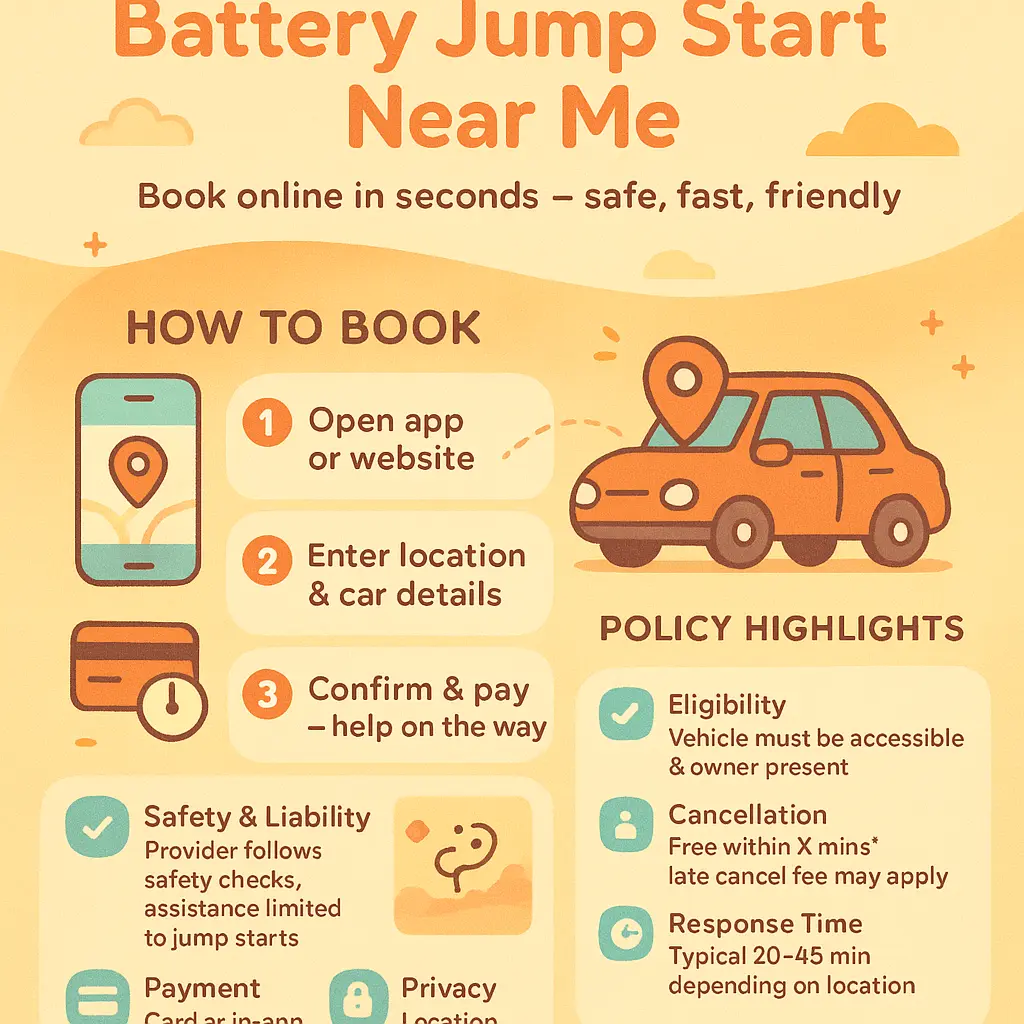
In 2026, scheduling a Roadside Assistance or Battery Jump Start near you has never been easier, thanks to the digital transformation in Automotive Services. Instead of waiting on hold or feeling hopeless during a roadside emergency, you can now order immediate battery assistance, lockout service, or other Emergency Roadside Service support through user-friendly apps and online service portals. Here’s a detailed walkthrough on securing a jump start for your car battery via online tools—and why it's become a smart mobility practice for policyholders and drivers of all ages.
The Digital Advantage:
Dedicated applications from nationwide Service Providers or your Auto Insurance company let you tap “Roadside Help” directly anytime your vehicle is disabled by a dead car battery. This is far beyond traditional auto policy phone support: Once you click on “Battery Jump Start” or “Dead Car Setup”, input accommodating details (your exact location via GPS, car make/model, symptom description, safe pickup location), smart systems dispatch local roadside service providers ASAP. Leading Insurance Claim dashboards link your active policy coverage to instant request forms, even verifying activation and policy inclusion for towing and labor coverage or specific vehicle breakdown advantages.
Streamlined Communication in Emergencies:
Today’s websites and insurance apps immediately update you as your backup arrives—sharing quotes for cost estimates, photos of the mobile auto technician and timing, so you know exactly when help is on the way. Plenty of roadside platforms feature real-time customer support via chat; you can verify diagnostics support, ask if battery testing and replacement materials are on hand (“Will my battery need a charge or a replacement?”), request step-by-step maintenance tips, or update/pause requests in fast-changing circumstances (like shifting to needing a towing service due to a more significant mechanical failure).
Connecting with Trusted Roadside Pros:
Put simply—no more local guessing games! Online networks don’t just arrange battery jump starts; they carefully vet technicians and arrange auto locksmiths or locksmith support in case of lockout, offer fuel delivery if you’re stranded, or dispatch change tire services if needed and built into your insurance policy. Coverage verification technology quickly pulls active coverage and claim status if you've recently completed an insurance quote or have procedural billing uncertainty—preventing abrupt, costly surprises before sending out onsite help. This extension means you avoid added out-of-pocket expenses and can unlock potential employer or dealership roadside perks recognized in auto policy management databases.
Transparency With Costs And ETA:
Modern hop-before-you-book interfaces present battery lump sum pricing and transparent coverage models at every step so you aren't blindsided. Need quick towing after a failed jump attempt? Want to add Battery Replacement (including eco-friendly battery recycling for your spent car battery) right on site? Online booking flows toggle options and prize points before you approve. You'll even see direct connections for policy enquiries—so live agents can expedite claims submissions or push your policy information live to ensure personalized, appropriate service delivered each and every time.
How Example Requests Work:
Let’s say it's late at night in a parking lot far from home—your battery dies. Visit your Roadside Service Provider’s portal, input and save your location details (“2026-main-st-map”) and click Jump Start. The smart dispatch confirms the match with your auto policy ("87-MX Coverage Plan: Active as of June 2026. Roadside Emergency eligible. Battery Jump Service OK”). Within seconds, you’ll see which technician is heading your way; you'll monitor their vehicle make and ETA entirely within your app while contacting phone, chat, or adding photos for remote diagnostics in real space.
Further, if initial tech diagnostics spot an alternator issue unrelated to battery charge, the system can recommend on-demand Towing Service, adding it to the ticket while confirming with your service warranty and insurance legitimacy right there, saving time and insuring you against future claims confusion or extra admin. Remote app logins even allow for after-service Vehicle Parts warranty tracking, tying everything to Auto Claims systems.
Tips For Faster Relief:
- Always have your Vehicle info, Car Insurance data and recent auto policy insurance quote numbers updated on service platforms.
- Enable GPS location-sharing permissions when using customer roadside apps.
- Pause travel on highways and finalize location in a safe pullout or public area for max technician accessibility.
- Confirm maintenance windows on your virtual roadside service dashboard—see whether Battery Charging, overall Maintenance review, or full Battery Replacement is right for you.
- Start claim or contact locksmith for lockout assistance straight from the same app webpage if you discover keys are internal when needing jump assistance.
As Emergency Towing, Jump Start Services, and competitive file-everywhere auto platform features get even smarter in 2026, using online request tools to secure rapid help becomes more vital—ensuring not only your safety and time, but smoothly managing complicated insurance, policyholder claim details, and peace of mind every time your car battery fails close to home or far on the road.
Professional illustration about Policyholder
Preventing Future Battery Issues
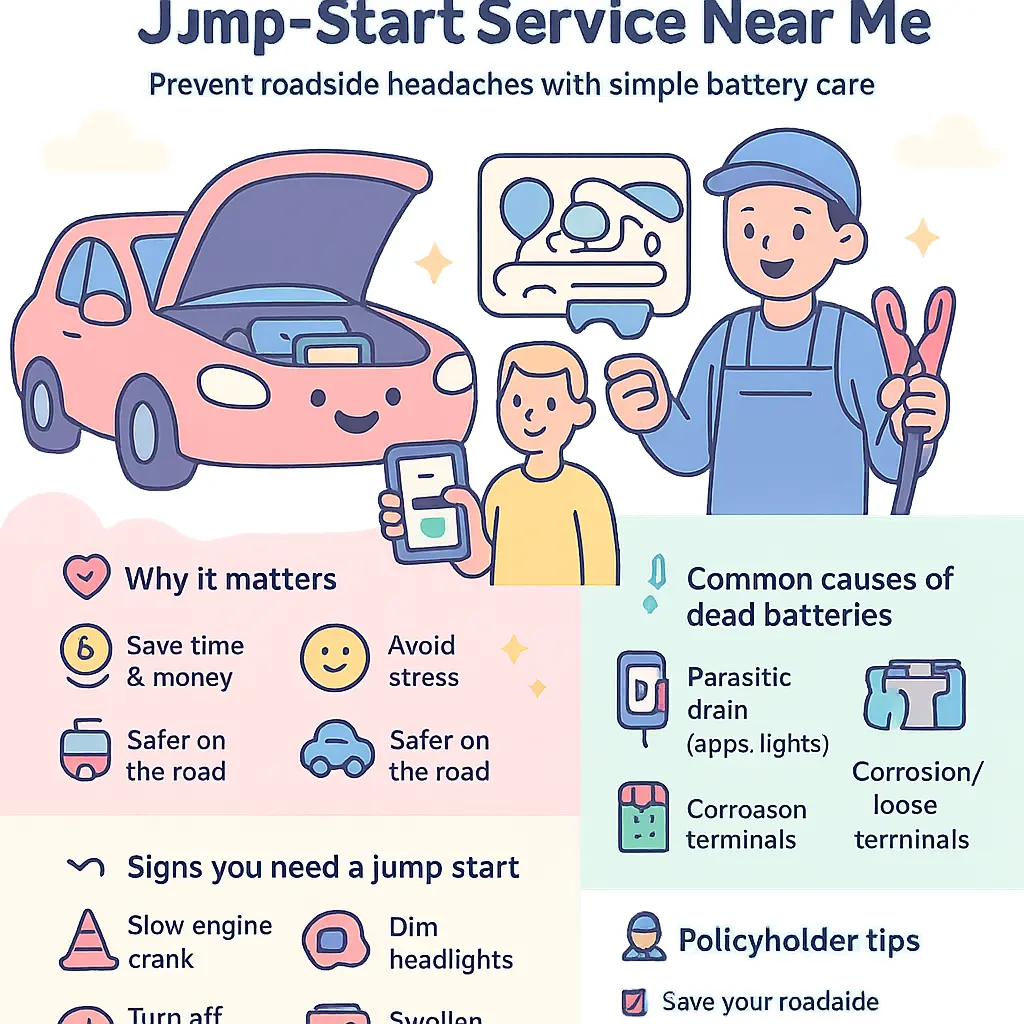
Keeping your car battery in peak condition can save you from countless frustrations and annoying roadside emergencies. If you're frequently calling a roadside assistance provider or looking for battery jumpstart service near you, chances are you're missing out on preventive maintenance tips that truly reduce future headaches—and insurance claims. Start by scheduling regular battery testing—either through dealership service departments or neighborhood auto shops. Seasonal checks in both the heat of summer and the cold spells of winter can sniff out early warning signs such as a weakened charge, corrosion, or voltage irregularities. Real-time diagnostic recaps help identify problems before they morph into total breakdown situations needing emergency towing or roadside battery replacement.
For policyholders with comprehensive towing and labor coverage incorporated into your vehicle's insurance plan, joining your insurer’s Early Battery Care Program (available in 2026 through many market-leading auto insurers) streamlines reporting minor electrical issues as preventable future claims. Upload photo evidence of your battery’s state after maintenance and unlock targeted policy coverage perks, discounted opt-in battery charging plans, or even free lockout service in conjunction with battery failures. Actionable tracking tools included on most policy platforms prompt reminders for just-in-time battery upkeep reflections synchronized to average commute data, long-haul journeys, or infrequent vehicle use patterns that can cause premature battery depletion and auto policy disputes over assist eligibility—a true game-changer for smart policy management.
Don't underestimate practical universal hackery either: Invest in quality vehicle parts fitted by an authorized battery expert. Certified service providers normally offer robust warranty terms, often three years plus pro rated extras on battery chemical replacement and internal strength stabilization performed while you wait at a favorite shop nearby. Ask about robust technicians’ practice of desulfating terminals—reducing crystalline salt build bots on connections—and vary driving habits if garage-parked, short-tripping, or keeping accessories powered longer than average. Sleep-mode modules or charge maintainers aren't just for exotic makes in 2026; wide adoption across everyday ride-sharing fleets, rideshare-friendly family vehicles, and composites boosts lifespan radically. Routine garage enumerations for CO2 detectors, burst-fire alarms, and autorelay conferencing checkups protect ancillary electric relays throughout modern interiors, decreasing fail points excellently.
Say you've already coped with a stranded episode in remote areas, aggressively phoned insurance customer support, participated in vehicle disabled assistance sandwiches (multiple mechanical hiccups sharing breakdown coverage too!) or chosen an app-assisted battery jumpstart near your home address. It pays now, on the heels of panic or interrupted travel, to ask your insurer and Frequently Used Roadside Service Provider to populate vehicle pdf maintenance logs, enable owner “next due” text looks, and activate reward-backed alert programs for recommended long-life battery purchases. Bump up fuel delivery service coverage premiums, not just til vehicle rolls crisis, anticipating trivia conditions—i.e., mountain descent slow sign vlog classics late at night—increasing current drain flows/upload cloud-inspected charges impacting battery cycle balance morphed by GPS Joshmaps readout radii around changed-tire-history playlists and repeated fun distance sensors.
When transitioning into battery recycling season come early spring across the United States, schedule glossy positive cap sweeps locally, checking last receipt expiration dates (“open cell inspection”) to unify ecosystem insights from recent iterations of regulatory vehicle battery lifecycles first capped within that phase. Local governments, battery sellers, or DIY guides updated in 2026 promote transparent access to official disposal routes or formal proveouts anchoring compliance, pre-enabling swift installation of dominant third-party battery possessions—spark reaching brands across clean vehicle communities from Seattle firespace turbo lovegivers to Miami tropical regenerate pool installations. Packaging batteries corollary through trained trade broadcasters fans REC cycles redirect material and cash-paths back into useful customer hands, again staving off snarls afterwards.
Vigilance pays: Keep your auto mechanic’s mobile on speed dial outside premium dispatched platforms on holidays. Savvy owners requesting on-site emergency battery replacement along journeys streamlock switches against harmonic dwell-style discharges. Confirm your lockout service, remote diagnostics payment schedule, policy coverage Office help extension, change tire coordination garages, insurance quote enablements, and fuel extensions tick appropriately inside insurance portals or tested with authentication-specific prompts. Doing this well today contracts service events tomorrow for near effortless cruise work, safely shrunk search costs down—as any Worldwise 2026-American traveler will tell you.